How Petrol Prices Impact Everything — Why War Creates More Problems Than Solutions
Introduction
Petrol prices don’t just move markets — they reshape entire economies.
Every time fuel costs spike, it quietly triggers a chain reaction: groceries get expensive, businesses tighten margins, startups slow hiring, and households feel the pressure instantly. Now layer war on top of that — and what you get isn’t just higher prices, but economic instability at scale.
Having watched multiple fuel cycles over the years, one thing is clear: war doesn’t solve energy problems — it multiplies them. And petrol prices become the first visible symptom.
The Hidden Engine Behind Every Economy
Petrol isn’t just a commodity. It’s the backbone of modern economic activity.
From logistics to agriculture, from SaaS infrastructure to e-commerce delivery — everything runs on energy.
When petrol prices rise, everything becomes expensive. Period.
Where Petrol Impacts the Most
- 🚚 Transportation & logistics
- 🏭 Manufacturing costs
- 🌾 Agriculture (fertilizers, machinery)
- 🛒 Retail & e-commerce pricing
- ✈️ Travel & aviation
- ⚡ Energy production
Even digital businesses aren’t immune. Servers, data centers, and global shipping all depend on fuel-driven systems.
The Domino Effect of Rising Petrol Prices
1. Inflation Skyrockets 📊
Fuel is a primary input cost. When it rises, businesses pass that cost to consumers.
Example:
- Transport cost ↑ → Product price ↑
- Delivery cost ↑ → E-commerce price ↑
- Electricity cost ↑ → Production cost ↑
This leads to cost-push inflation, one of the most dangerous forms because it’s hard to control.
2. Purchasing Power Drops
People start spending less — not because they want to, but because they have to.
- Essentials take priority
- Luxury spending declines
- Digital subscriptions get cut
This directly affects startups, SaaS, and online businesses.
Real Data: Fuel Prices vs Inflation Impact
📊 Global Fuel Price Impact Snapshot
| Metric | Value | Year | Source |
|---|---|---|---|
| Oil price spike impact on inflation | +2–3% increase | 2022 | IMF |
| Transport cost share in product pricing | 10–15% | 2023 | World Bank |
| Global inflation peak (post oil surge) | 8.8% | 2022 | IMF |
| Fuel contribution to CPI (developing countries) | 20–30% | 2023 | World Bank |
What this tells you:
Fuel isn’t just a factor — it’s a primary driver of inflation cycles.
Businesses Feel It First — and Hardest
Startups & SaaS
- Higher operating costs
- Reduced customer spending
- Slower growth cycles
E-commerce
- Shipping costs surge
- Profit margins shrink
- Customer acquisition becomes expensive
Traditional Businesses
- Manufacturing slows
- Supply chains get disrupted
- Pricing becomes unpredictable
The result:
👉 Growth stalls across industries
War: The Catalyst That Makes Everything Worse ⚠️
War directly impacts petrol prices — and not in a small way.
How War Drives Fuel Prices Up
- 🚫 Supply disruptions
- 🚢 Trade route blockages
- 🛢️ Oil production instability
- 📈 Speculation in global markets
Conflicts involving oil-producing regions create global panic pricing, even if supply hasn’t fully stopped.
Why War Is a Bundle of Problems — Not a Solution
War is often justified politically, but economically, it’s destructive.
1. Energy Crisis Amplification
War restricts oil supply → Prices surge → Global inflation rises
2. Economic Uncertainty
Markets hate uncertainty.
- Investors pull back
- Businesses pause expansion
- Currency volatility increases
3. Human Cost Meets Economic Collapse
- Infrastructure damage
- Workforce displacement
- Long-term recovery delays
War doesn’t fix energy issues — it creates a chain reaction of crises.
Real-World Example: Russia-Ukraine Conflict
The conflict triggered one of the biggest oil shocks in recent history.
- Oil prices crossed $120/barrel
- Europe faced an energy crisis
- Global inflation surged
This wasn’t just a regional issue — it affected:
- Food prices globally 🌾
- Fuel costs worldwide ⛽
- Business operations everywhere 🌍
The Psychological Impact on Markets
Beyond actual supply, perception drives prices.
- Fear = price spikes
- Uncertainty = market volatility
- Media narratives = investor behavior shifts
Petrol prices are as much psychological as they are economic.
What This Means for Founders, Marketers, and Builders 🚀
If you’re building or scaling something, this matters more than you think.
Key Takeaways
- Fuel prices directly affect CAC (Customer Acquisition Cost)
- Inflation reduces customer lifetime value (LTV)
- Operational costs become unpredictable
Smart businesses don’t ignore fuel trends — they plan around them.
Strategic Moves During Fuel Price Surges
1. Optimize Operations
Cut unnecessary costs early — not when it’s too late.
2. Focus on High-Margin Channels
Performance marketing needs tighter targeting.
3. Build Pricing Flexibility
Rigid pricing kills growth in volatile markets.
A Shift Toward Alternative Energy
One positive outcome: rising fuel prices accelerate innovation.
- Electric vehicles 🚗
- Renewable energy ⚡
- Energy-efficient systems
But transitions take time — and until then, petrol remains dominant.
FAQs
What is the impact of petrol prices on inflation?
Petrol prices increase transportation and production costs, which raises overall prices across goods and services.
Why do wars increase fuel prices?
Wars disrupt oil supply chains, create uncertainty, and trigger speculative pricing in global markets.
How do petrol prices affect businesses?
They increase operational costs, reduce margins, and force businesses to adjust pricing strategies.
Is petrol price increase temporary or long-term?
Short-term spikes can stabilize, but long-term trends depend on geopolitics, supply, and energy transitions.
What industries are most affected by fuel prices?
Transportation, logistics, agriculture, manufacturing, and e-commerce are the most impacted.
Can businesses protect themselves from fuel price volatility?
Yes — through cost optimization, diversified supply chains, and flexible pricing models.
Final Thought
Fuel prices are more than just numbers at the pump — they are signals of deeper economic shifts.
And war?
It doesn’t solve those shifts. It accelerates them in the worst possible way.
If you’re building something today, keep a close eye on energy trends. They often predict where the market is heading before anything else does.
There’s a deeper breakdown of how macroeconomic shifts impact digital growth on my site — worth exploring if you’re navigating uncertain markets.
I regularly share insights on market shifts, AI, and growth strategies that actually work — you can stay connected through the latest updates and ideas I publish.
If you’re trying to make sense of how these economic shifts affect your business directly, reaching out for a strategic perspective can save months of trial and error.
Author Bio
Mohsin Ali is a strategist focused on AI, digital marketing, and online business growth. His work is rooted in real-world execution — helping founders and marketers navigate complex shifts in technology and economics.
Learn more about his approach here:
https://mohsinaligs.com/about
Or connect directly:
https://mohsinaligs.com/contact

Mohsin Ali
Publishing practical ideas, sharp strategies, and useful insights for growing modern digital brands.
Related Stories
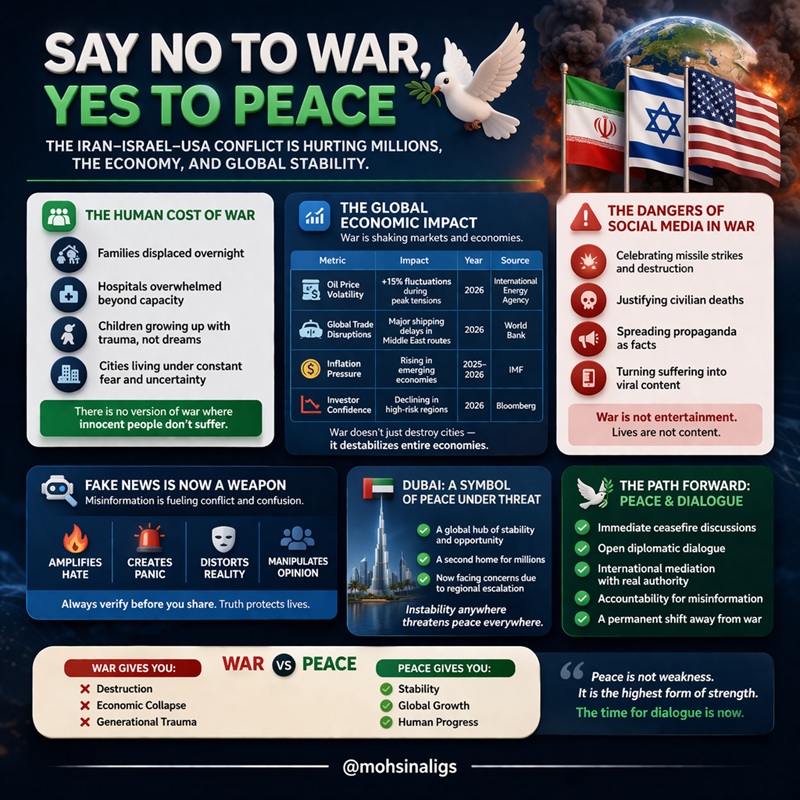
Say No to War, Yes to Peace: The Iran–Israel–USA Conflict...
There’s a point where geopolitics stops being strategy and starts becoming human tragedy.That line has already been crossed....
Read More
 Chat on WhatsApp
